

❋
The Science of The Contrast Club
All-in-One Wellness: Simplifying Health with Science-Backed Workouts
When we envisioned The Contrast Club, we wanted to create a studio that simplifies what it means to be healthy. Improving your health can be complicated. Pilates or weight lifting? Yoga or HIIT? How many days per week is optimal? It’s hard to know what actually works.
The truth is, research consistently shows that the best results come from having variety in your exercise routine. But you might not want to — or be able to — spend your days driving from pilates studios to gyms, in an attempt to be in your best shape.
The Contrast Club was born from understanding these frustrations and a desire to make improving your health as simple as possible. This is your one-stop shop for mental and physical wellness.
We analyzed the body of scientific research to understand which types of exercise correlate with the best health. We condensed this down to five unique formats that cover modalities including pilates, strength training, HIIT, yoga, and breathwork.
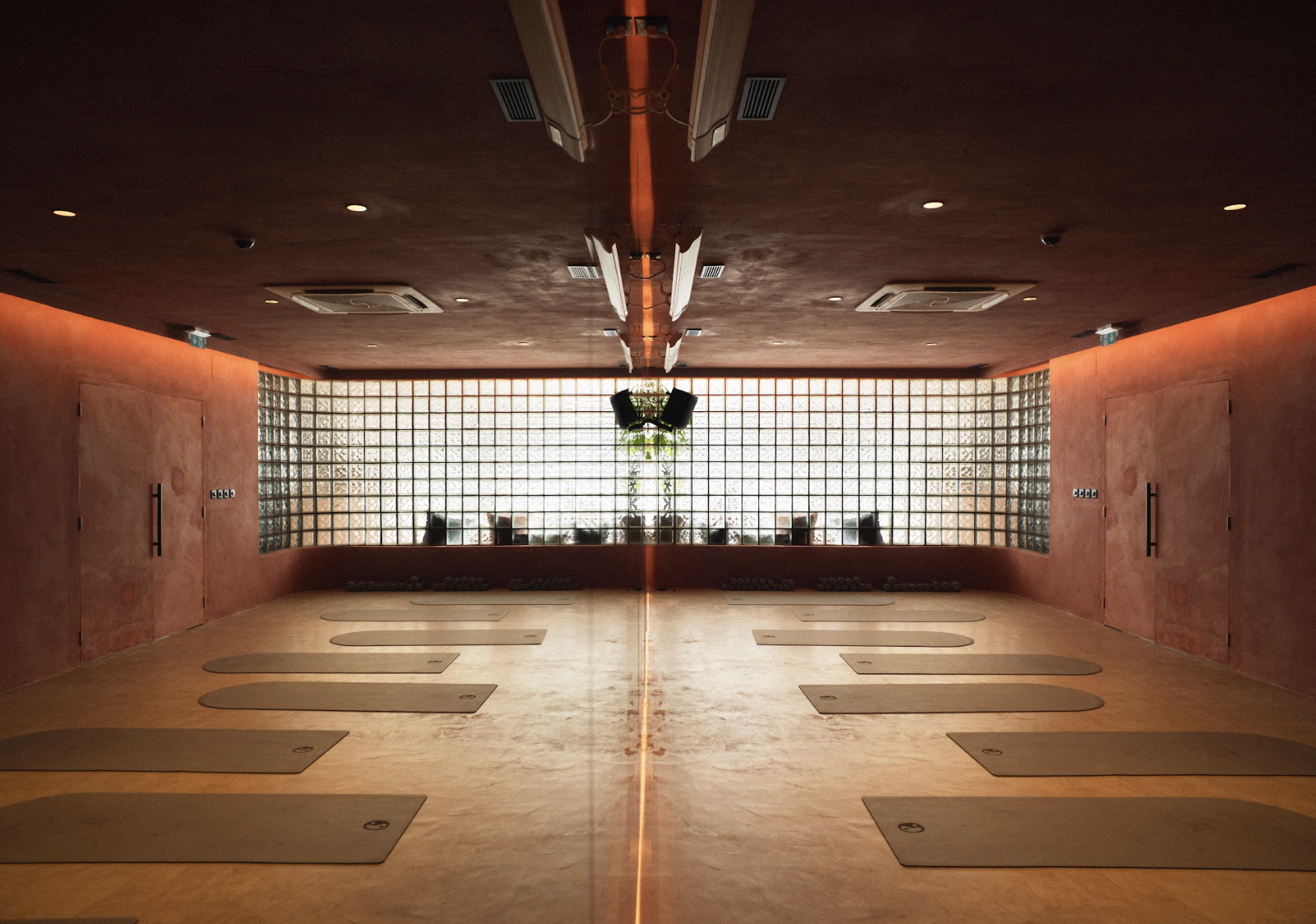
We also learned how powerful heated workouts can be, so we installed the highest quality infrared heaters and offer four out of our five formats in heated versions, for people who want to take things to the next level.
Your New “Third Space”
The concept behind TCC goes beyond the classes themselves. We also designed the space to support the social side of wellness, with a healthy café and cowork area that encourage people to spend time here before and after class.
We live in a socially detached yet paradoxically hyper-connected world, where more people than ever are reporting feeling persistent loneliness. And it’s impacting health: Loneliness is associated with a reduction in all health markers from insulin response to sleep quality to aging.
Our cafe and cowork space, monthly events, and community-focused environment are intentionally curated to make each and every guest feel welcome, valued, and seen. Because when you feel woven into the social fabric of your life, your health and happiness improves tenfold.
The Science
-
Our formats, other than BREATHE, are offered heated and non-heated.
You can view it as a progression of intensity: Non-heated classes provide the same movement benefits without the added thermal stress. For beginners, this often makes it easier to focus on learning technique, building coordination, and gradually improving fitness.
Heated classes introduce another layer of physiological demand. When you exercise in heat, your body has to work harder to regulate internal temperature. This increases cardiovascular strain, meaning your heart rate and circulation increase even at the same mechanical workload.
A systematic review (a review of studies) looked at 43 studies on hot yoga. It concluded that hot yoga elicited substantial cardiometabolic (e.g. body composition, lipid profiles and macrovascular function) and functional adaptations applicable for health (e.g., bone mineral density, balance and flexibility) as well as physical performance (e.g., submaximal exercise thresholds).
The researchers go on to conclude that there are even interesting findings to show that hot yoga is associated with an alleviation of psychological and affective disorders, and the ability to optimize markers of cognitive function.
These findings are major. For people looking to achieve their best physical and mental shape, a heated room can be an efficient and effective way to get there.
-
When you exercise in the heat, your body sends more blood to the skin to regulate temperature. This increases cardiovascular demand, meaning the heart must work harder even at the same workload. You’ll be sweating more, your heart rate will be higher, and you may find that even simple exercises become more challenging.
As a result, strength or interval training in a heated room becomes both a muscular and aerobic challenge. This has key benefits for health, but it also tests your mental resilience. This is perhaps why regularly doing heated workouts is associated with better cognitive health and mood.
The elevated temperature also warms muscles to ease tension and increases circulation, which can improve movement fluidity during practices like yoga or mobility work. You may notice that doing yoga in the heat corresponds with advancements in your yoga practice during non-heated classes.
-
The studio uses the highest-quality ceramic infrared heaters, which warm the body and surrounding surfaces rather than simply heating the air.
Infrared heat penetrates deeper into the tissue, which can help muscles warm up more quickly. When muscles are warmer, elasticity improves and joint range of motion tends to increase.
The Science Behind Our Signature Sculpt Class
Sculpt is our signature 45-minute class, divided into three distinct 15-minute sections: yoga flow, strength and conditioning, and core with mobility work.
-
Higher-intensity sessions tend to work best when they’re shorter. Research consistently shows that 45 minutes seems to be a sweet spot.
There’s a practical physiology reason: as intensity rises, fatigue rises nonlinearly — meaning technique degrades, power drops, and the workout becomes “junk volume” fast. A 45-minute cap helps you sustain quality reps, maintain good mechanics, and recover well enough to train again (which is where results actually come from).
Shorter sessions are also more accessible. When people are new to exercise, the biggest barrier is rarely the workout itself — it’s the psychological and logistical load. A tight class makes it easier to show up consistently, which matters more than a perfect program done once.
-
You can think of SCULPT as a taster blend of our other formats: POWER, STRENGTH, and YIN MELT. Each block is 15 minutes:
POWER Yoga Flow: A dynamic flow to raise body temperature, increase joint range of motion, and activate major muscle groups. Flow-based movement builds mobility, coordination, and isometric strength while synchronized breathing helps regulate the nervous system before higher-intensity work.
STRENGTH + Conditioning: Resistance training combined with short bursts of higher effort to improve muscular strength, metabolic health, and aerobic capacity.
YIN MELT Core Strength + Mobility: Focused trunk stability work strengthens the muscles that support the spine and transfer force through the body, improving posture and movement efficiency. The mobility work restores range of motion and helps the nervous system gradually downshift after the more intense sections of the class.
The Science of Our Strength Training Classes
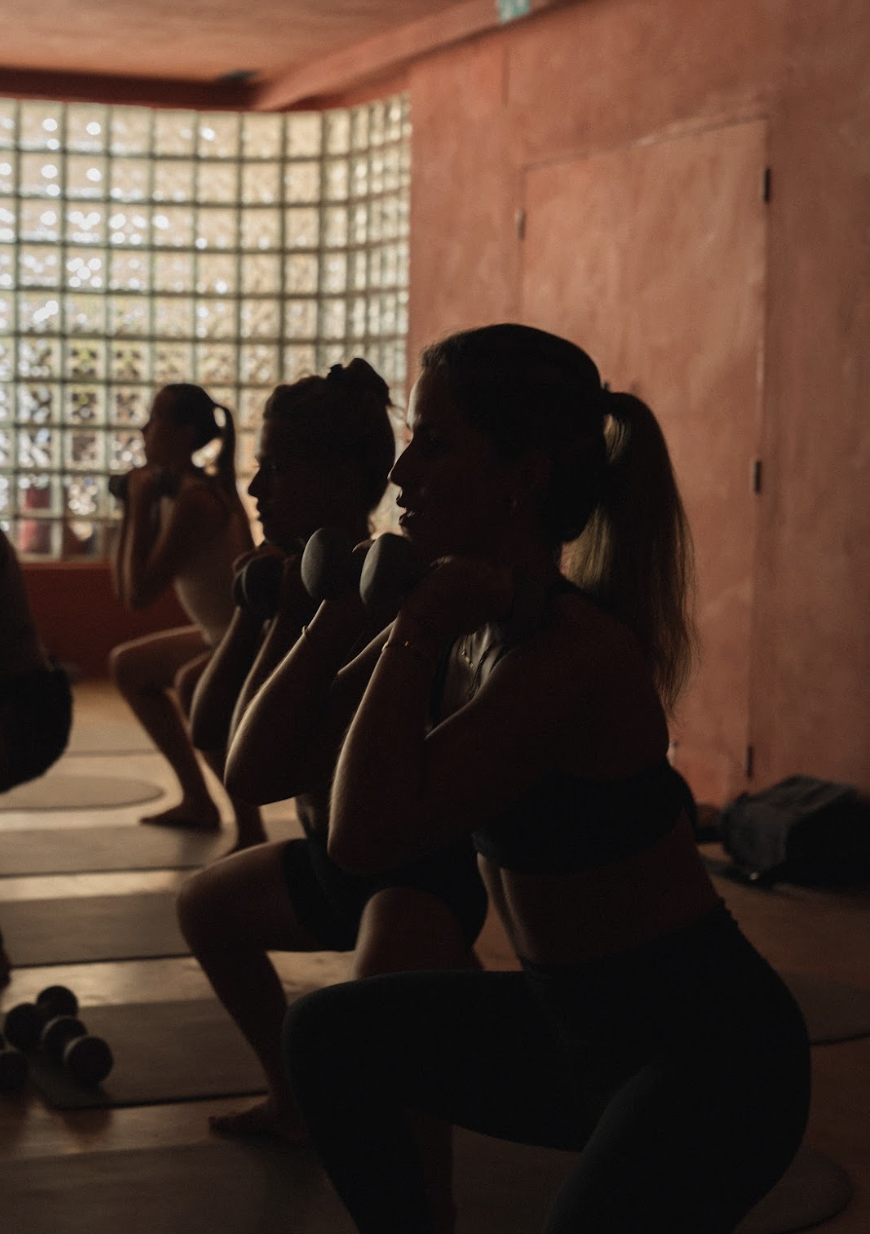
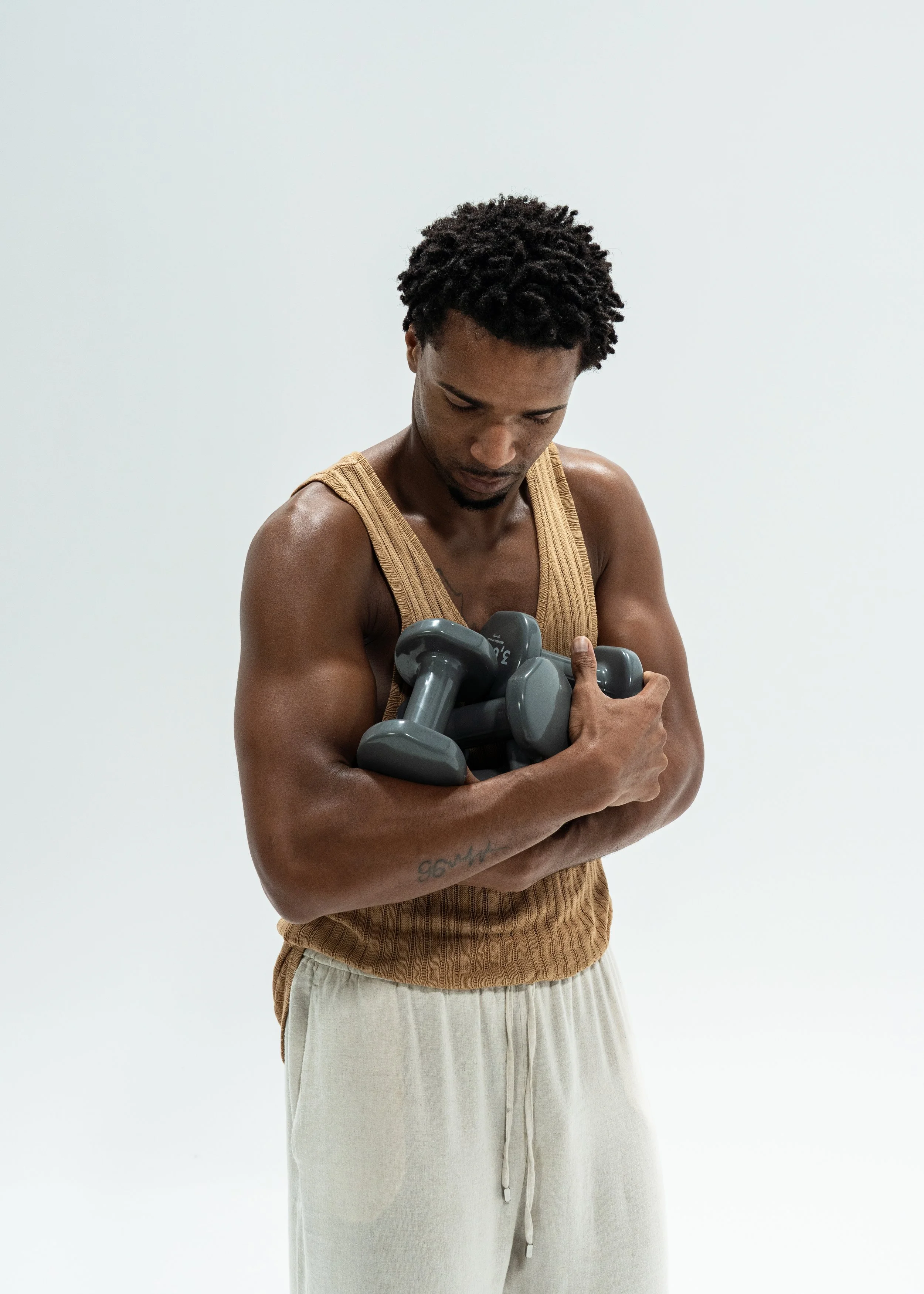
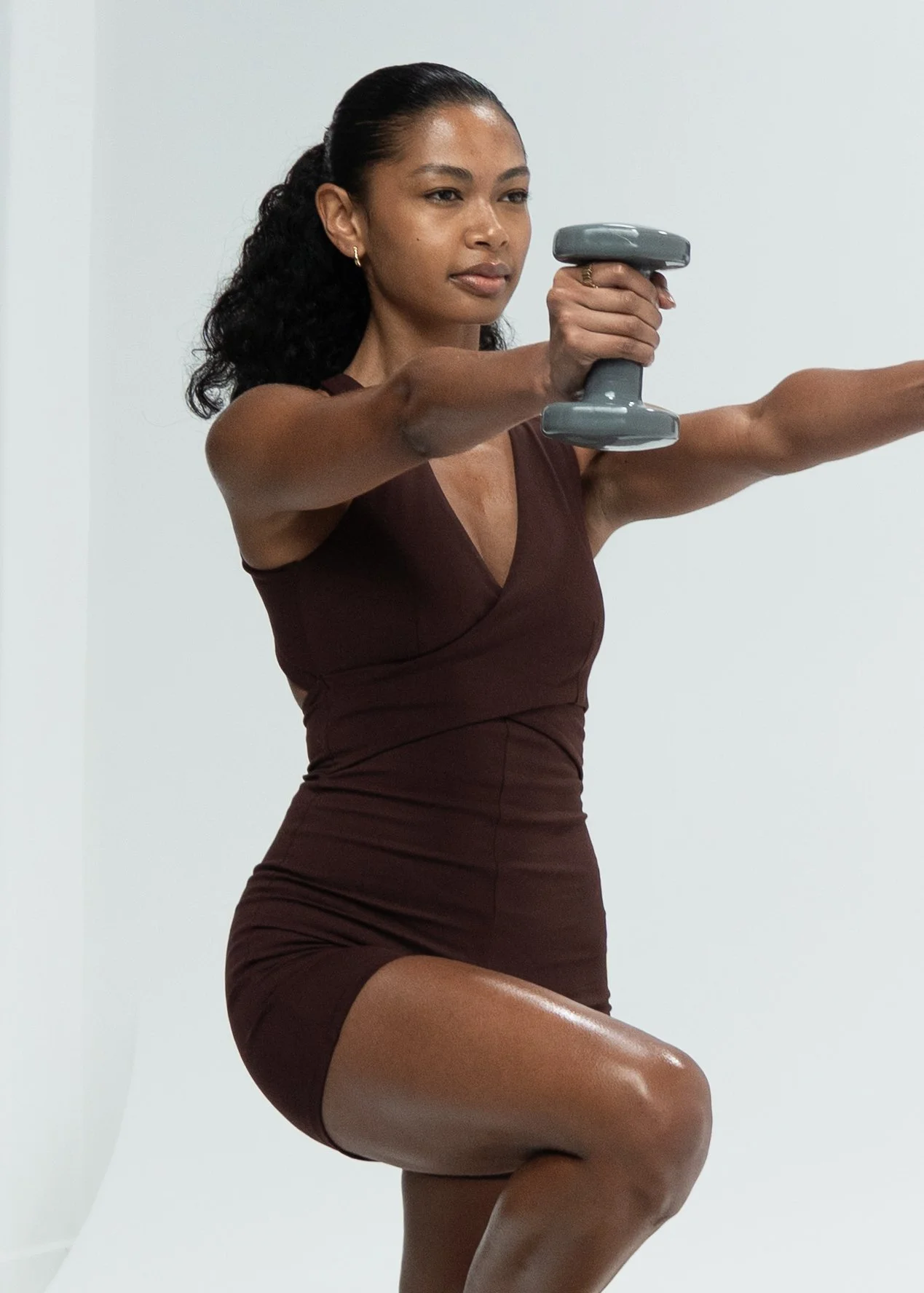
We offer a variety of classes designed to build full-body strength. From our Signature Sculpt class, to Barre Burn and Pilates Tone, and of course, Strength. Building strength and muscle is essential for longevity and physical well-being.
-
Our strength training classes focus on controlled movement patterns and sustained muscular engagement, which places a moderate load on muscles for longer durations.
This type of stimulus is particularly effective for improving muscular endurance and stability around key joints like the hips, shoulders, and spine.
Our classes don’t put too much focus on lifting maximal load, our lower-weight, higher-rep and tempo-adjusted workouts are truly low impact. This way you can improve movement precision and neuromuscular control — the brain’s ability to recruit muscles efficiently. This is key as you age.
-
In heated sessions, this controlled style of training works particularly well because it allows participants to maintain effort without excessive cardiovascular strain, making the workout challenging and high-intensity, but still sustainable and low-impact.
Why Yoga is Essential for True Wellness
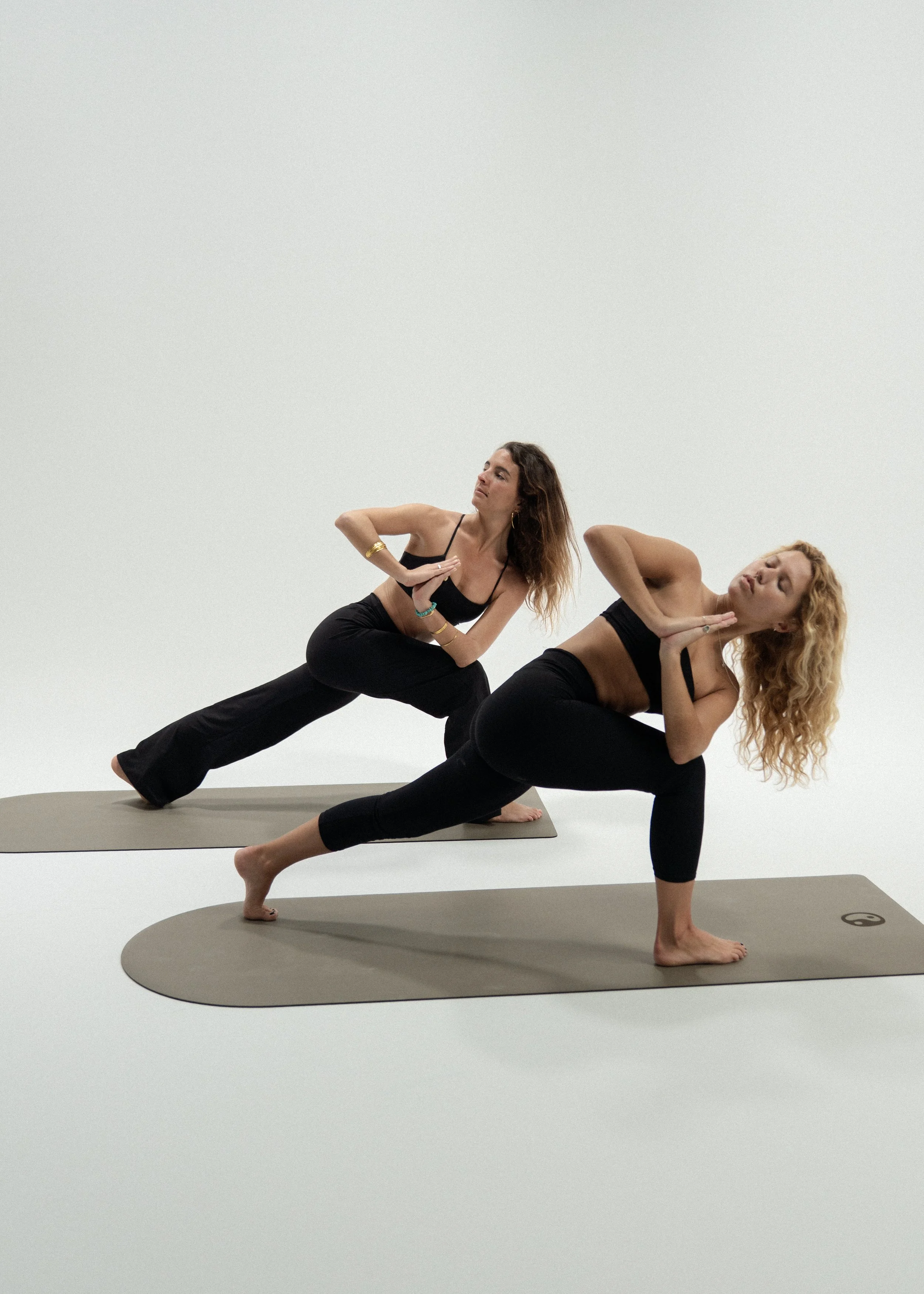
We offer two true yoga classes — Power Yoga and Yin Melt. Yoga is also a key component of our Signature Sculpt class.
-
Research consistently shows that the ancient practice of yoga has a profound impact on mental and physical health outcomes.
For instance, a large study found that yoga participation was associated with lower levels of psychological distress and better cardiovascular and metabolic health indicators, factors strongly linked to reduced chronic disease risk. Other research shows yoga can significantly improve balance, flexibility, and muscle strength in older adults — key predictors of mobility and independence with aging.
-
Yoga provides a unique combination of strength, flexibility, balance, mind-body connection, and breath regulation. Vinyasa, the style of our Power class, is a dynamic flow style of yoga that synchronizes breath with movement, seamlessly transitioning from one posture to another.
Yoga has been consistently shown to effectively build strength through bodyweight loading, mobility through end-range control, and coordination through sequencing. Done consistently, it improves everything from shoulder stability and hip mobility, to balance, motor control, and parasympathetic capacity.
Flow-based sequences also challenge coordination and proprioception — the body’s awareness of where it is in space — which plays a key role in injury prevention and movement efficiency.
The Science of Breath
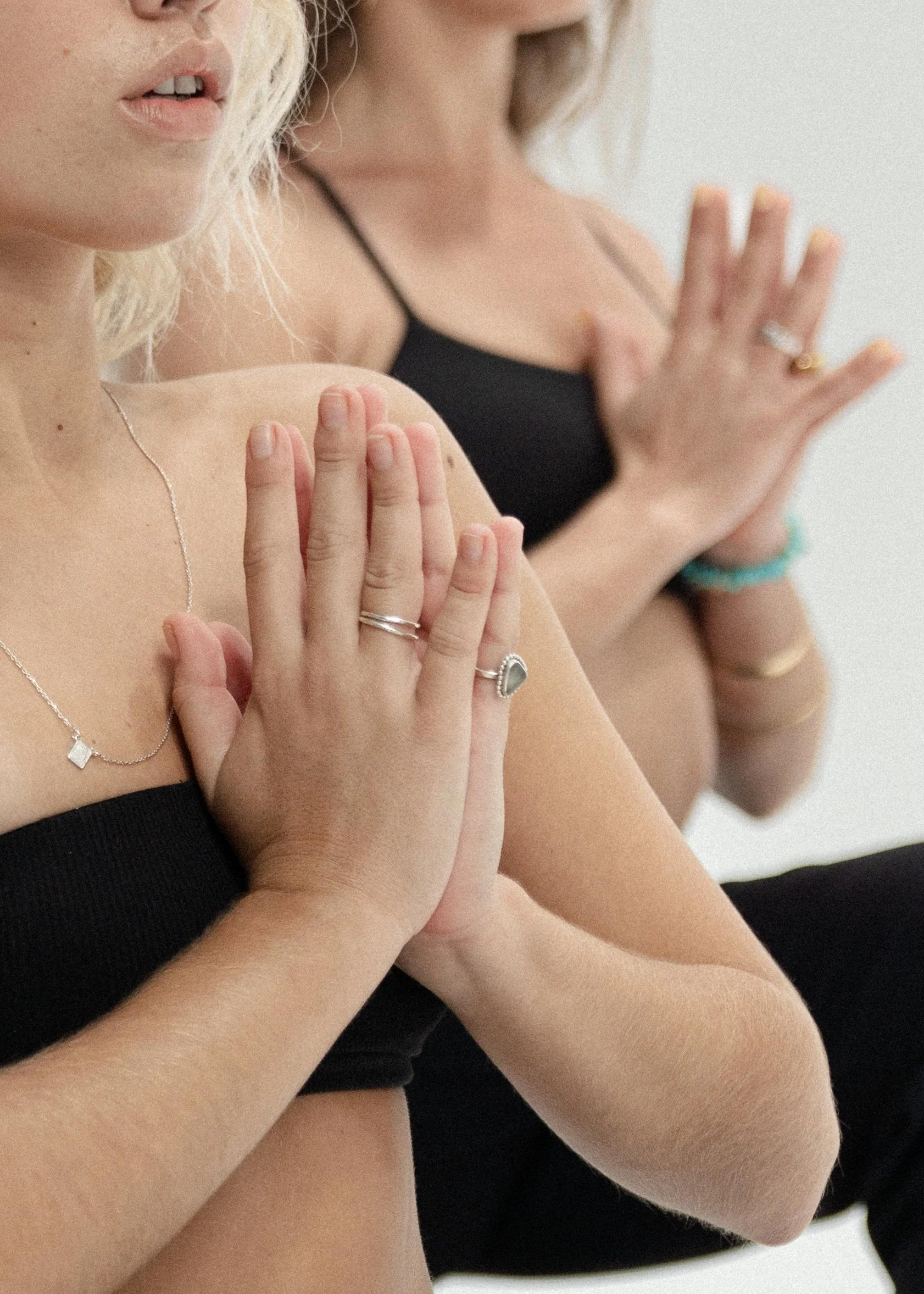
Why our breathwork classes play a key role in the overall science of The Contrast Club.
-
Breathwork has been shown in numerous studies to support several systems that underpin long-term health and longevity, including nervous system regulation, emotional processing, stress resilience, and cellular energy production.
Morning energizing breath: During this 30-minute class, we practice an energizing breathwork technique combined with fascia activation movements to help wake yourself up at a biological level.
Evening sessions: This one-hour breathwork class unlocks deeper states of consciousness, helping to process stored emotion, train your stress response to build resilience, and strengthen your nervous system.
-
Breathing is one of the fastest ways to influence the autonomic nervous system, and when you have some control over this system, you can change your state — fast.
Specific breathing patterns can shift the body between sympathetic activation (stress and alertness) and parasympathetic regulation (recovery and repair). Learning to control this switch helps build stress resilience — the ability to respond to demanding situations without remaining stuck in a chronically elevated stress state.
Breath training also improves carbon dioxide tolerance, which affects how efficiently the body uses oxygen during exercise and stressful situations.
Better oxygen utilization supports endurance and may contribute to more efficient mitochondrial energy production, the cellular process that generates energy for both physical and cognitive performance.
-
In addition to helping you regulate your nervous system and get out of chronic sympathetic activation, certain breathwork practices can boost mood and even support emotional processing.
Our one-hour-long evening breathwork class involves rhythmic breathing patterns that temporarily alter carbon dioxide and oxygen balance, influencing activity in brain regions involved in emotion and memory.
This can make it easier for stored tension or suppressed emotional responses to surface and be processed in a controlled environment, which many people experience as a release or shift in mental state.
Any emotion you may experience is encouraged to be expressed at The Contrast Club during our breathwork sessions. Mental and emotional health contribute to longevity and wellness more than the industry gives credit for.
Become a member
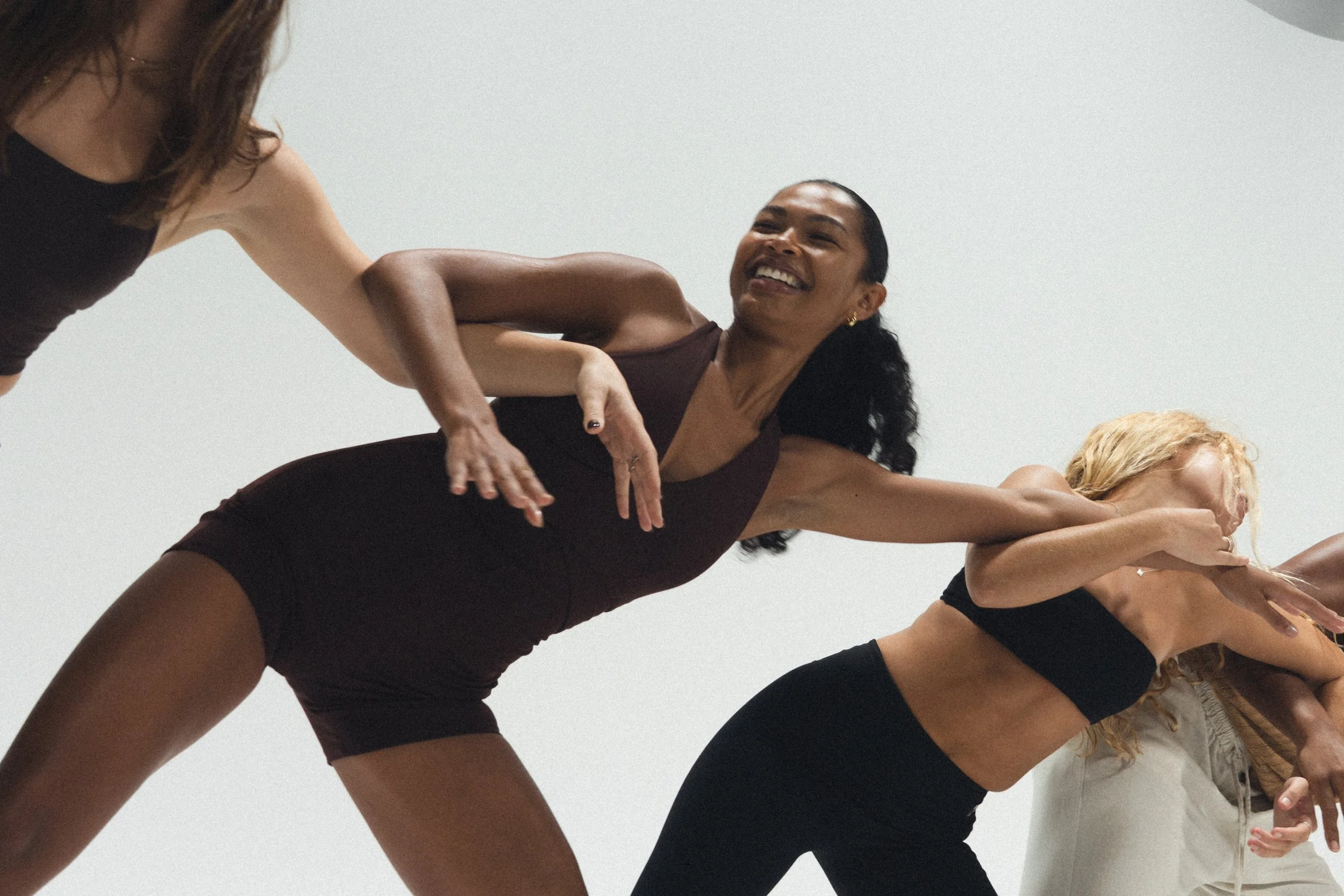
Join The Contrast Club and discover a smarter, simpler approach to wellness. Whether you’re looking to move, strengthen, or reset, our science-backed classes, heated sessions, and thoughtfully designed space give you everything you need to feel your best—inside and out.